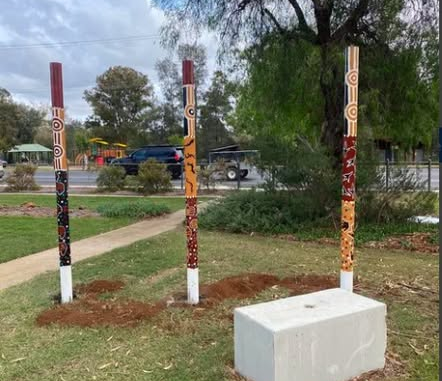
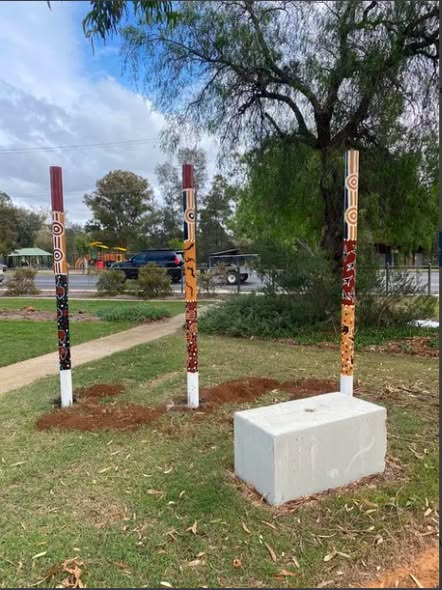
A social media post criticizing the use of totem poles in an Australian school has sparked discussion about cultural authenticity and Indigenous identity.
The author argues that some Aboriginal activists and organizations have increasingly adopted terms and cultural elements originating from Indigenous peoples in North America, rather than preserving traditions unique to Australia’s Aboriginal communities.
One example highlighted in the post is the use of totem poles in a school “yarning circle.” Traditionally, totem poles are associated with Indigenous peoples of the Pacific Northwest Coast of North America, including the Haida, Tlingit, Tsimshian, Kwakwaka’wakw, Nuu-chah-nulth, and Coast Salish nations. Carved primarily from western red cedar, these monumental poles represent family lineage, clan history, important events, and social status. They are not objects of worship, but serve as visual records of cultural heritage.
The post also questions the growing use of the term “First Nations” in Australia. While the phrase has long been used in Canada to describe many Indigenous peoples, it has also been increasingly adopted by some Australian organizations and individuals in recent years. At the same time, many Australians continue to use the terms Aboriginal peoples, Aboriginal and Torres Strait Islander peoples, or Indigenous Australians.
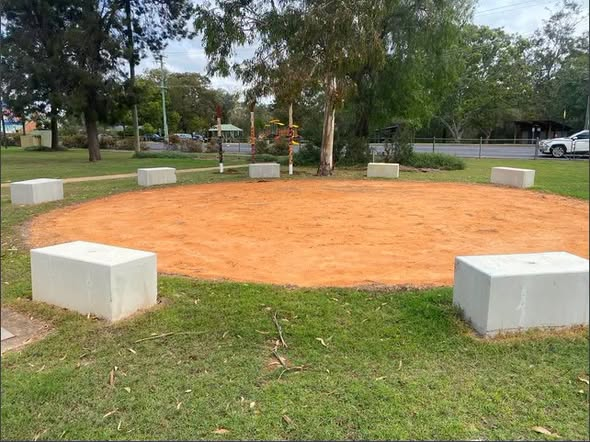
The writer expresses concern that blending overseas Indigenous traditions with Australian Aboriginal culture could blur the distinct identities of Australia’s hundreds of Aboriginal language groups, many of which are currently receiving government support for language preservation and cultural revitalization.
Not everyone shares this view. Some Indigenous Australians and cultural organizations support the use of broader Indigenous terminology or cross-cultural exchanges as a way of expressing solidarity with Indigenous peoples worldwide. Others believe that Australian Aboriginal traditions should remain clearly distinguished from those of other Indigenous cultures.
The discussion highlights an ongoing debate in Australia about how Indigenous culture should be represented, preserved, and taught—particularly in schools and public spaces.
What do you think?
Should Australian schools focus exclusively on symbols and traditions that are unique to Aboriginal and Torres Strait Islander cultures, or is there room to include Indigenous cultural elements from other parts of the world for educational purposes?
Leave a Reply